ARTURO BRACHETTI - The King of Transformation: A World of Magic, Wonder and Identi
At the end of our interview, in one of Turin’s historic cafés, we say goodbye with an autographed fifty-five-euro banknote. This, too, is Arturo Brachetti: a thoughtful gesture, an unmistakable signature and an indelible mark on the history of international entertainment. His handwriting is elaborate and strikingly original, almost a miniature work of art. ‘I’ve been practising since I was 14!’ he tells us with a smile.
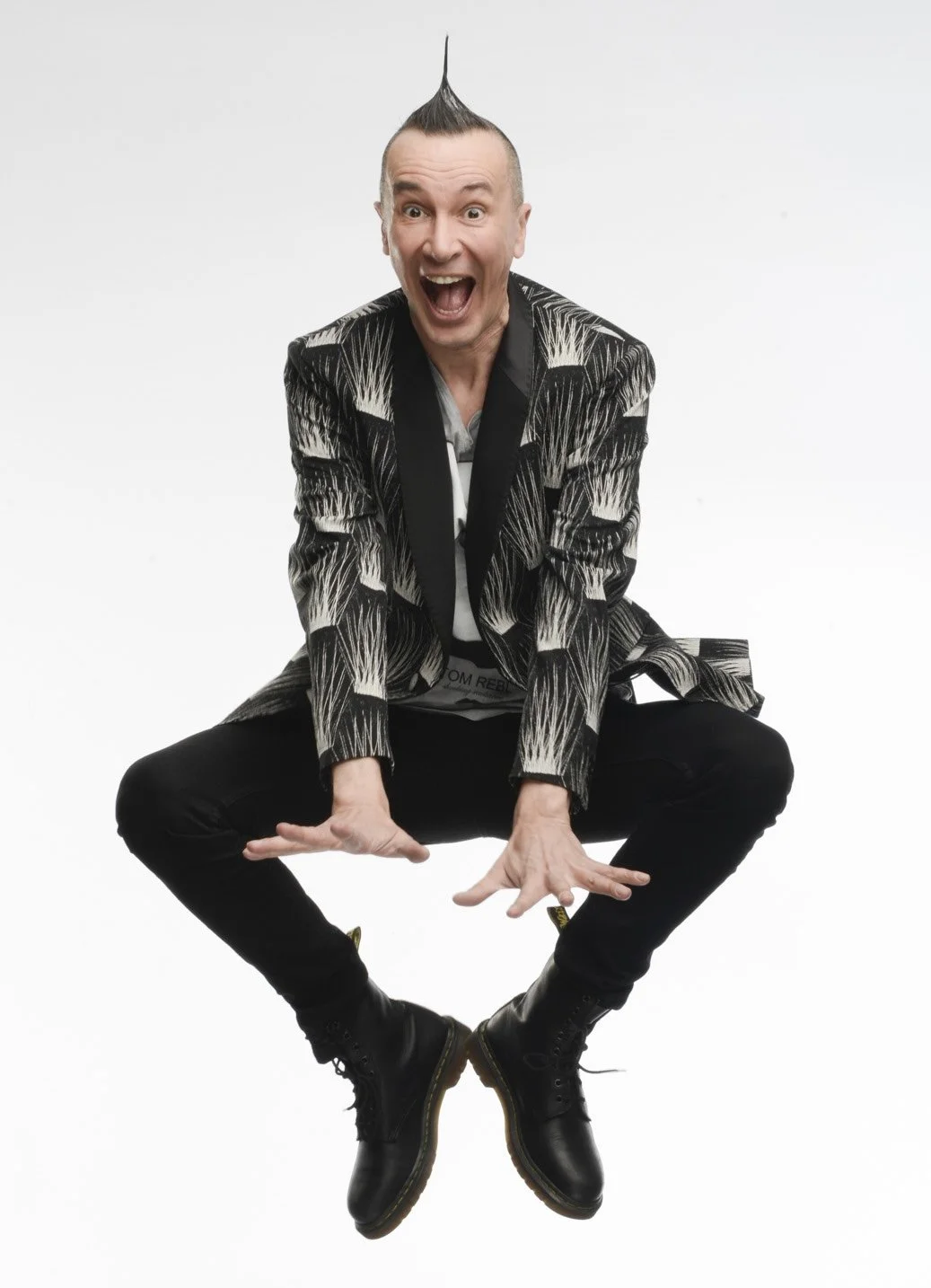
Attention to detail is, after all, one of the secrets behind an extraordinary career spanning almost fifty years, which has established him as the undisputed king of quick change.
The figures speak for themselves: more than 400 characters brought to life on stages around the world, up to 100 different roles and costumes in a single evening, and performances that have captivated countless audiences. Among his most distinguished spectators were Charles and Diana – yes, those very two – for whom he gave a private performance.
His numerous international accolades include the Molière Award, the Laurence Olivier Award and the Charlot Award. In 2011, he was also made a Chevalier de l’Ordre des Arts et des Lettres. He owes much of his success to France, yet his Italian identity – or, more precisely, his Turin roots – remains unquestionable.
Since 2002, he has held the Guinness World Record as the world’s fastest quick-change artist. More than two decades later, his record remains unbeaten.
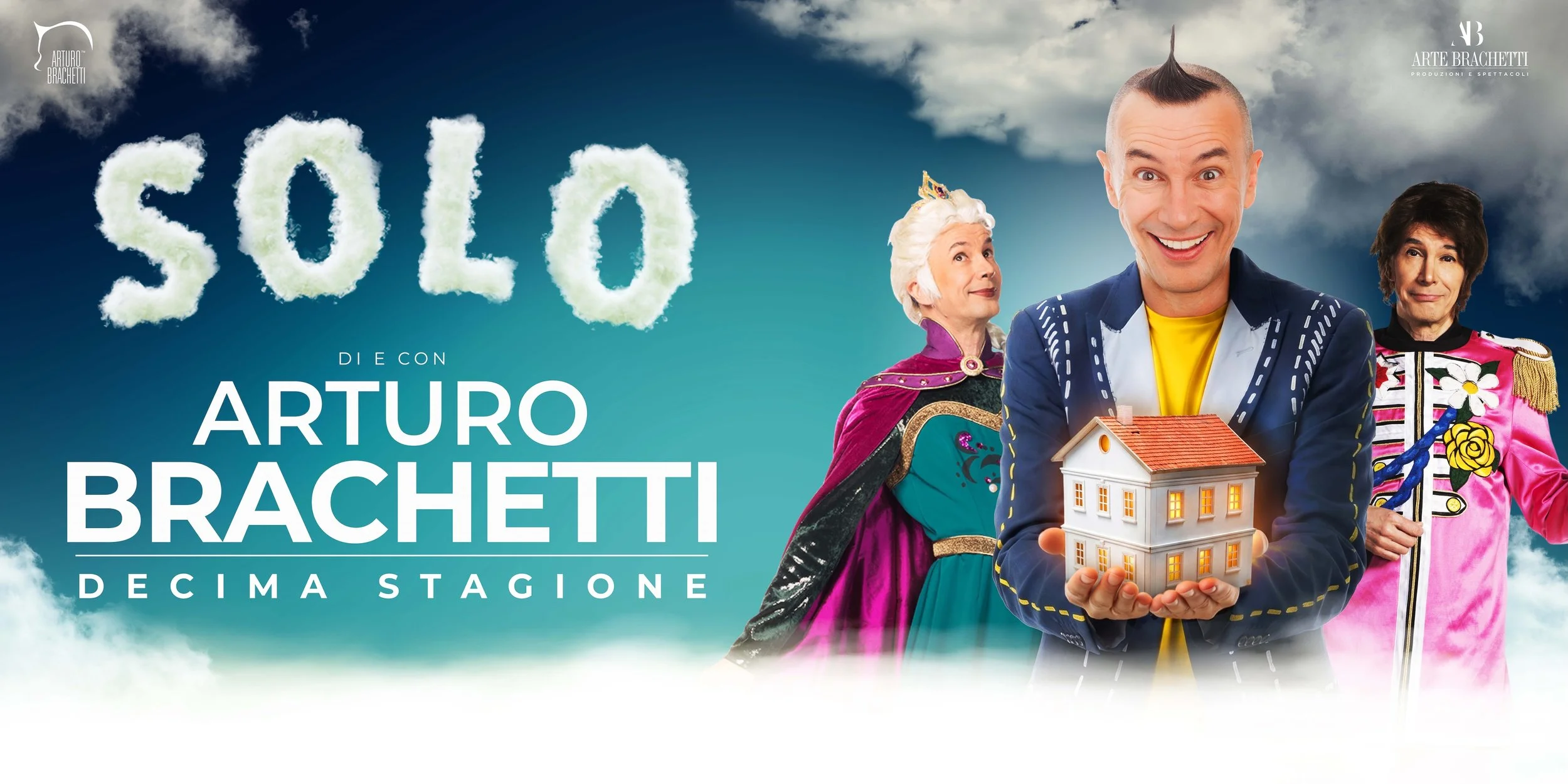
Currently on an international tour with SOLO – The Legend of Quick-Change, Brachetti continues to astonish audiences with his inexhaustible creativity. Beyond the spectacle, however, lies a more intimate dimension to his artistic work, explored in the exhibition Prima del sipario (Before the Curtain Rises), held from 28 October to 5 November at Turin’s former Ridicola newsstand and dedicated to his original sketches.
Offering a fascinating insight into the creative process behind the scenes, the exhibition reveals another side of Brachetti: not merely a performer, but also an illustrator, a set designer and the visionary creator of his own fantastical worlds.
Quick-change artist is the term most commonly used to describe you. But is it really the one you identify with most?
It is what I am. However, if I were to invent a title for myself, I would say I am a fantasy-actor. A creator of visual fantasies on stage, drawing on every means available: transformation, metamorphosis, illusionism – which I discovered at the age of 14 – theatrical effects and all the technologies that can be harnessed to inspire wonder.
After all, I haven’t invented anything. The world’s first quick-change artist was Zeus, who changed his appearance to seduce his lovers!
My purpose in life is to fascinate and amaze. I want to offer audiences the opportunity to escape everyday life and its monotony and fly somewhere else. For thousands of years, human beings have longed to fly, even if only in their minds, through the power of imagination. To reach towards the transcendent, as my priest friends would say. After all, I spent eight years in a seminary.
Magic is a fundamental human need, almost like sleep. Wonder is said to trigger a rush of dopamine, bringing us close to a state of ecstasy. These are fleeting moments of exhilaration that we all need, just as we need spirituality.
Paradoxically, beneath your constant changes of costume and character lies an instantly recognisable artistic identity. How do you reconcile these two apparent opposites?
I always feel like the same person, whatever costume I wear. I am my own puppeteer, the puppet master of my characters, like Mangiafuoco in Pinocchio. Ultimately, every actor is.
There is a kind of ongoing schizophrenia in the relationship between actors and their characters. Film actors, too, identify with the roles they play for weeks on end, and when filming comes to an end, that journey, that exploration of identity, inevitably leaves something behind in the hidden chambers of their inner selves.
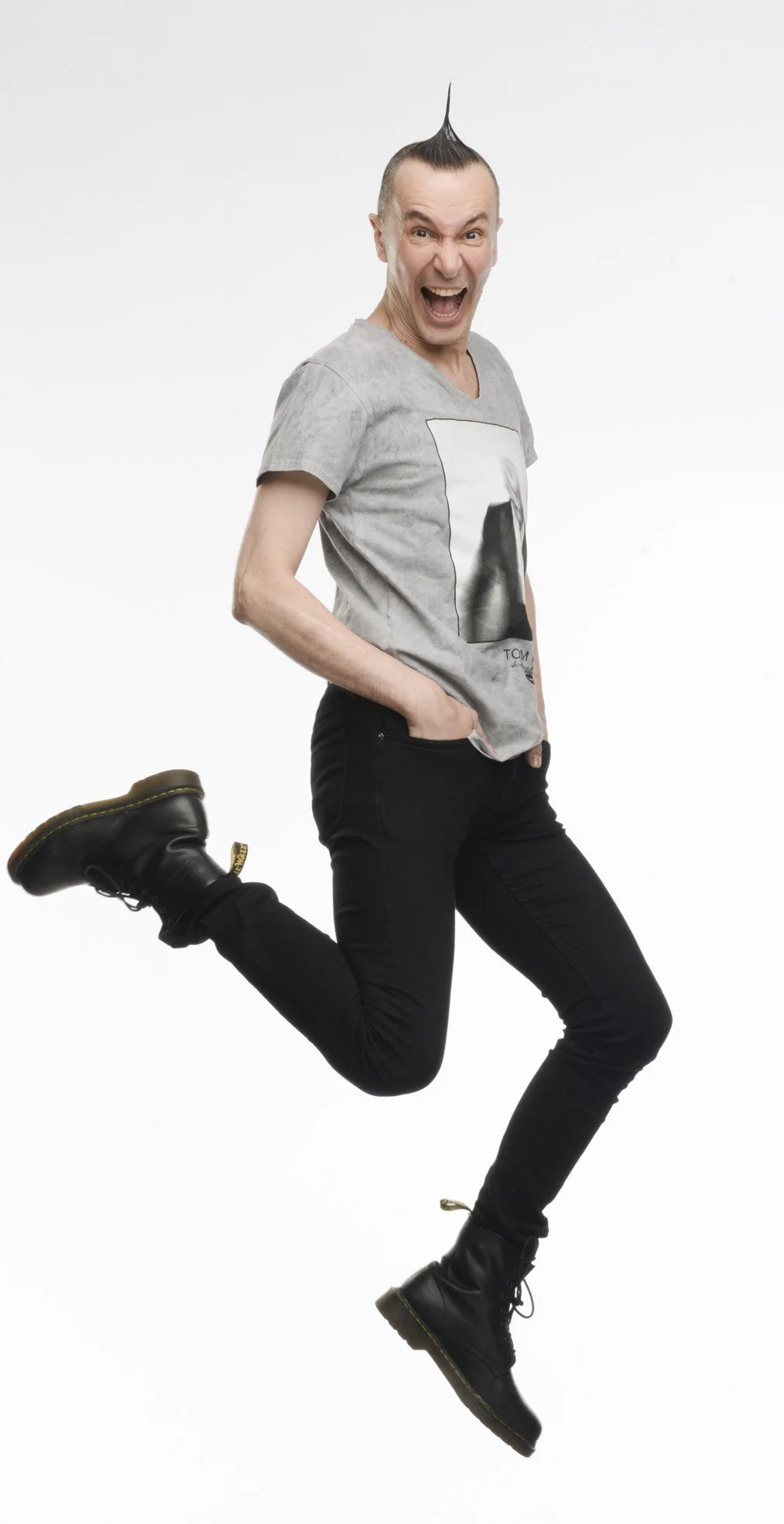
I experience all this on a much greater scale, but above all, I see it as a game. Because, fundamentally, I am a 15-year-old Peter Pan trapped in the body of a man approaching seventy! For me, it is all one big variety show, a game that continues to thrill me.
Interestingly, the fast pace of my performances anticipated a mechanism that is now overused on social media, where attention is condensed into a minute or a minute and a half. In my shows, there is a surprise every twenty seconds! They appeal to audiences of all ages, including children, who remain glued to their seats.
The journey through all these characters has enriched me enormously. In fact, I feel that, mentally, I am a much better person today than I was at twenty.
I have had an incredible life and enjoyed extraordinary success. But it is not the kind of success associated with certain songs or trends that last only a season. I believe that the artists who stand the test of time are those capable of creating their own characters.
I am very methodical. Three years ago, for instance, I learnt to sing so that I could also venture into musical theatre and cabaret. And I am very pleased I did.
Watching your performances, beyond the sheer amazement, one cannot help thinking: you must be incredibly fit! How much physical training does your work require?
Behind the magic lies an incredible amount of hard work. Diet, exercise three times a week, supplements. And then there is the show itself: an hour and a half of paid aerobics!
With consistent training, our bodies develop almost superhuman abilities. Exercise becomes a habit and, all things considered, it is a small price to pay for the success it brings.
Touring, audiences applauding, people asking for selfies... I have fun. I keep inventing and playing. I am also exploring artificial intelligence. I enjoy meeting new people, particularly young people, who bring different ideas and experiences. But one thing is certain: theatre must be experienced live, just like love! And there will always be a need for both.
You have been performing on international stages for almost fifty years. Do you remember the moment you realised you had truly made it?
It was 2000, and I was performing in Paris in The Man with a Thousand Faces. For two years, I topped the box office, alone on stage in a 1,200-seat theatre that was consistently sold out.
The theatre director used to leave me Post-it notes with the evening’s box office takings. Once, I read that the theatre was at 102 per cent capacity. I asked him whether he had sold tickets for the toilets as well! In fact, the theatre was authorised to accommodate standing spectators.
That was when I said to my brother Giorgio: ‘Our suitcase-carrying days are over.’ Of course, it was only a figure of speech, because we continued travelling everywhere and have never stopped.
There is also a wax figure of me at the Musée Grévin in Paris. It is perfect and, naturally, a quick-change artist too! Other versions were created in Switzerland and Montréal, although the Canadian museum subsequently closed. To tell the truth, the wax figure looks a little younger than I do these days!
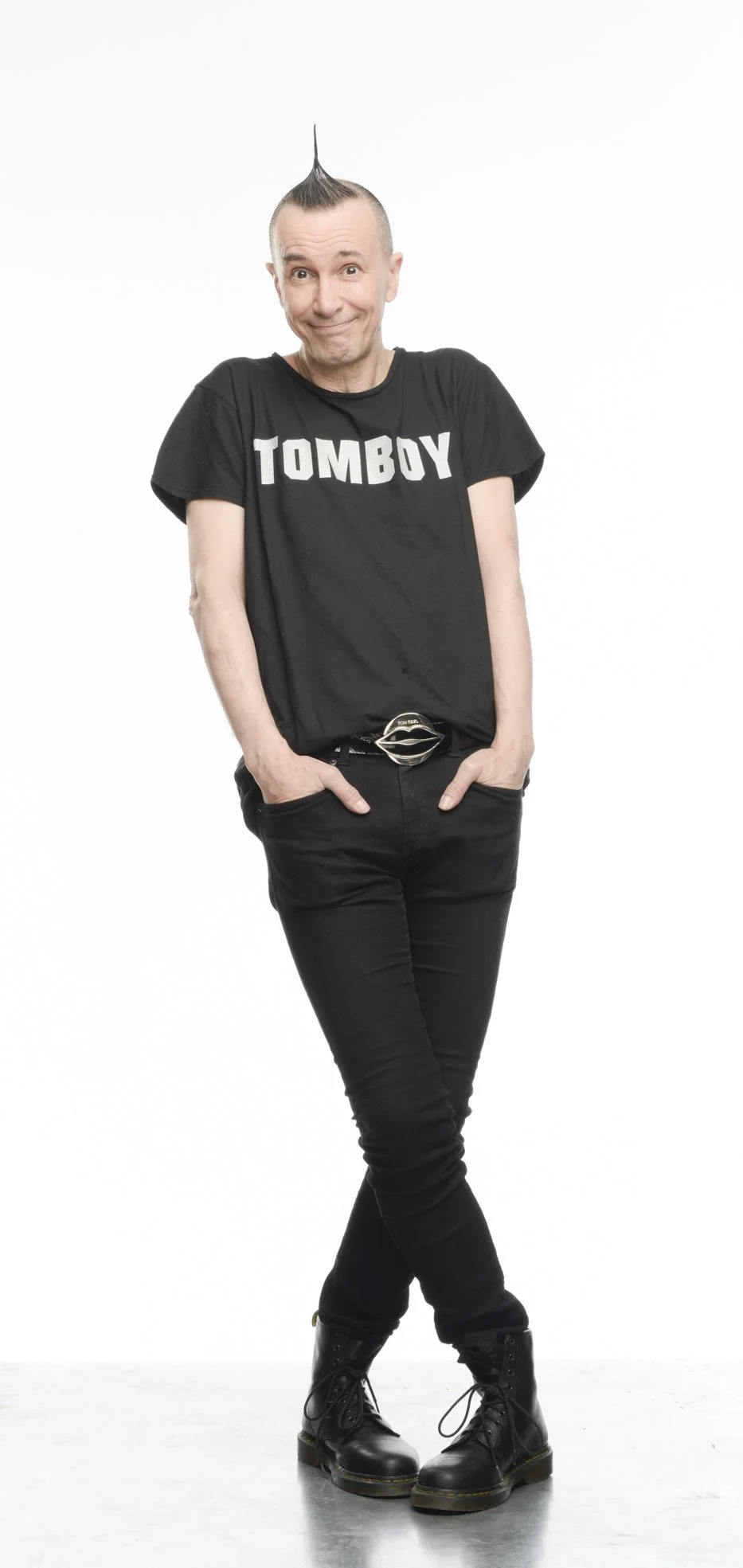
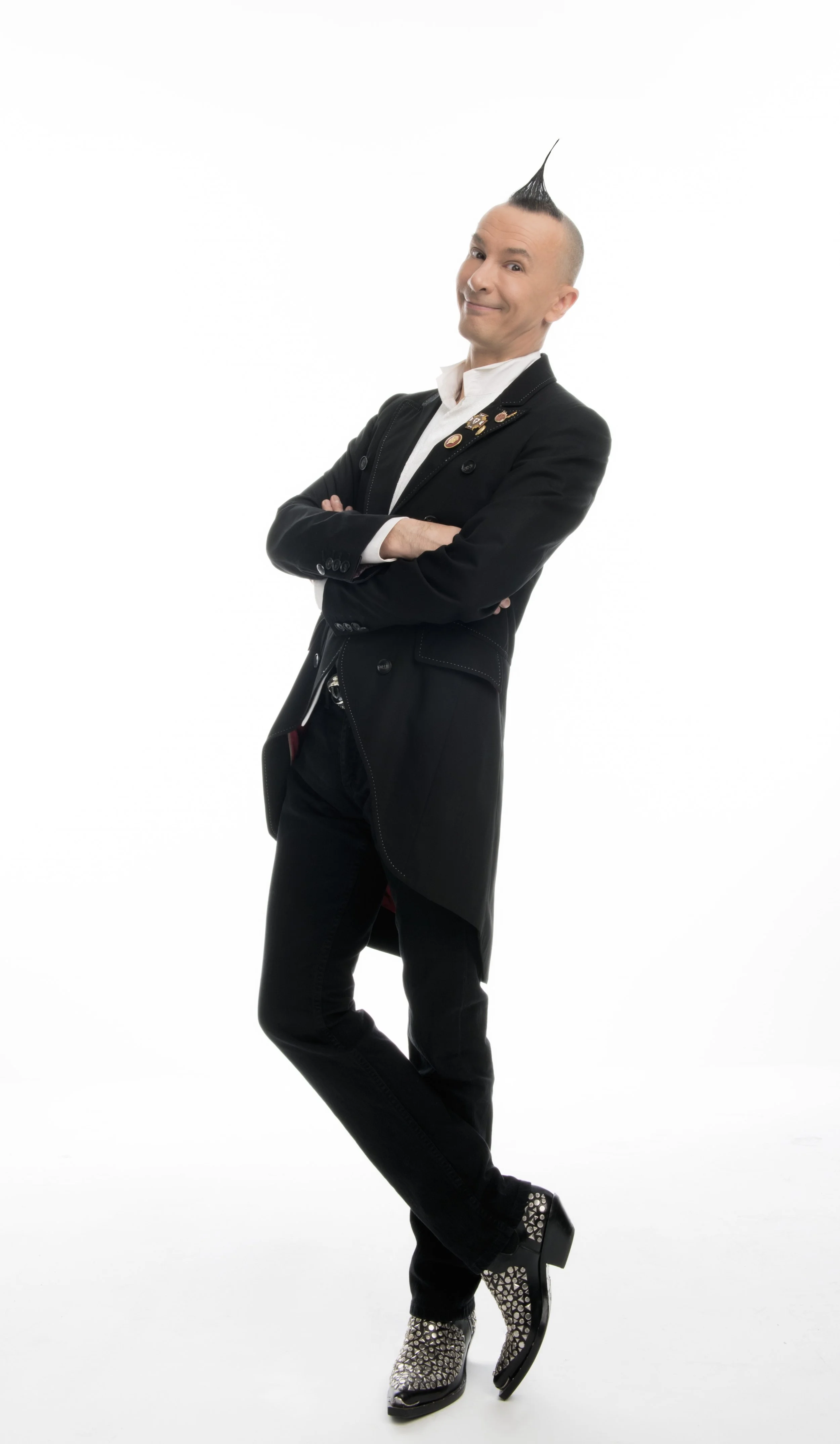
Where does your inspiration come from?
I don’t invent anything. Inspiration comes from what already exists: books, cinema, works of art and, above all, objects that, in my eyes, have a life of their own.
I attended the Academy of Fine Arts and immersed myself in culture. I met extraordinary people, such as Hélène Martini, a legendary figure in Parisian nightlife, nicknamed the Boss of Pigalle.
I remember a dinner during which she gave me one of Liliane Montevecchi’s stage hats.
The stagehands at the Folies Bergère also gave me a rather unusual object: a chair with shorter back legs than front ones. It was designed to rest on a staircase because there was not enough space backstage or enough dressing rooms for all the performers.
That chair has a story to tell.
I keep these objects at home. Each holds a memory, a fragment of life, an evocative association. It is an endless interplay with wonder, and that is precisely what continues to inspire me.
Your show SOLO carries the subtitle The Legend of Quick-Change. Is the word ‘legend’ a clue? What does eternity mean to you?
Ah, yes, of course! Let’s start from the premise that a person continues to exist for as long as their name is spoken, as the ancient Egyptians believed.
Naturally, I think about what comes afterwards. As long as someone continues to speak your name, in some way you are still alive. Your essence, your energy, remain among us.
Of course, I sometimes feel frustrated at the thought that everything might disappear when I die... But at least the wax figure will remain!
Leopoldo Fregoli was a great nineteenth-century quick-change artist, yet his name lives on. Everyone in the world of magic knows him: performers, professionals and enthusiasts alike.
Keeping legends alive is a way of transcending the limits of our own existence.
Since 1979, when I began working in Paris, I have helped reinvent the art of quick change, developing an artistic language of my own. In that sense, I believe I have achieved something unique.
And then there is my vast collection of objects, sketches and costumes, which together tell the story of my entire career.
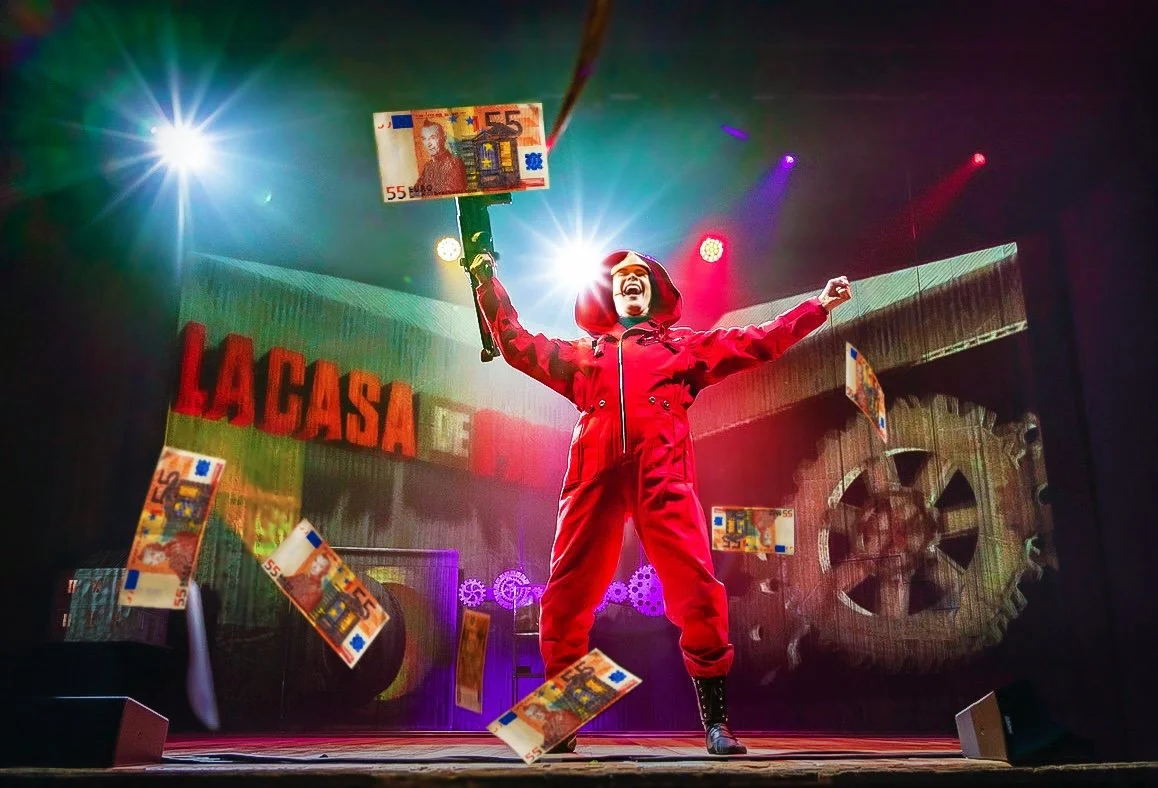
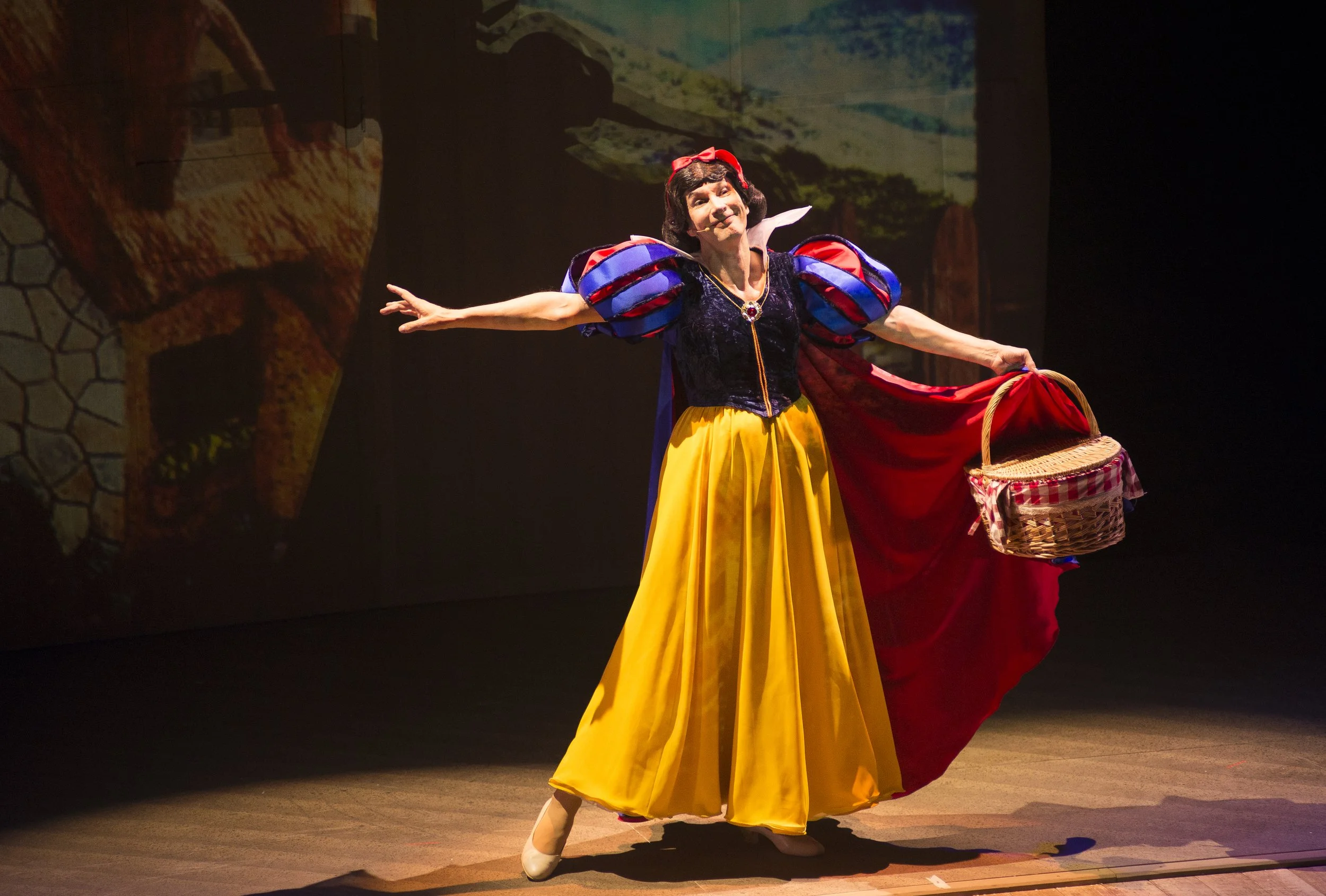
Costumes are one of the defining elements of your artistic identity. Who makes them?
I work with a seamstress from the Teatro Regio, who mainly creates the smaller costume elements. For the rest, I also rely on a theatrical costume workshop in Rome.
There is, for instance, Gabriele Pacchia, who also dressed Raffaella Carrà. He is now retired but continues to cut costumes for me.
These are extremely intricate and elaborately constructed creations. Just think, the Scarlett O’Hara costume weighs no less than 26 kilos!
Is there anywhere in the world where you have not yet performed and would love to take your show?
Broadway, certainly. But I would also love to return to China. We had planned a tour that unfortunately had to be cancelled during the pandemic. It is a country where theatre is particularly popular among young people.
Is it true that you have a camera in your home trained on the Mole Antonelliana, which you check remotely when you are travelling around the world?
I have more than one!
I live in the ‘poor’ section of the Royal Palace, in the heart of Turin, and I often whizz around on my bicycle wearing rather distinctive outfits and hats. I am sure many Turin residents could confirm having spotted me!
One final question, which I would like you to answer in less time than it takes to change costume: how Italian do you feel?
Turinese!
Cover image: Arturo Brachetti © Paolo Ranzani
Photography © Paolo Ranzani
Images courtesy of Arturo Brachetti