NIGEL JOLLANDS – Sailing the edge: life aboard Novara
When Dr. Nigel Jollands set sail into the Arctic, he wasn’t seeking escape—he was seeking connection. A climate and sustainability expert with nearly three decades of experience driving change across governments and industries, Jollands has now turned his focus to the frontlines of the planet’s transformation. As skipper of SY Novara, he’s voyaging through some of the most remote and fragile environments on Earth to witness, document, and share the realities of a changing climate.
Together with co-skipper — and wife — Veronica Lysaght, Jollands has completed the legendary east-to-west transit of the Northwest Passage—a feat that few sailors achieve, and one that places them in a select group of modern explorers. Their journey, part of the Novara: One Planet Project, blends adventure and purpose, working with coastal communities to better understand and respond to the impacts of climate change.
From the breathtaking stillness of Greenland’s fjords to the tense hours trapped in Arctic pack ice, Jollands’ voyage has been both a test of endurance and a meditation on humanity’s relationship with nature. We caught up with him aboard Novara to talk about the challenges, revelations, and quiet lessons learned while sailing at the edge of the world.
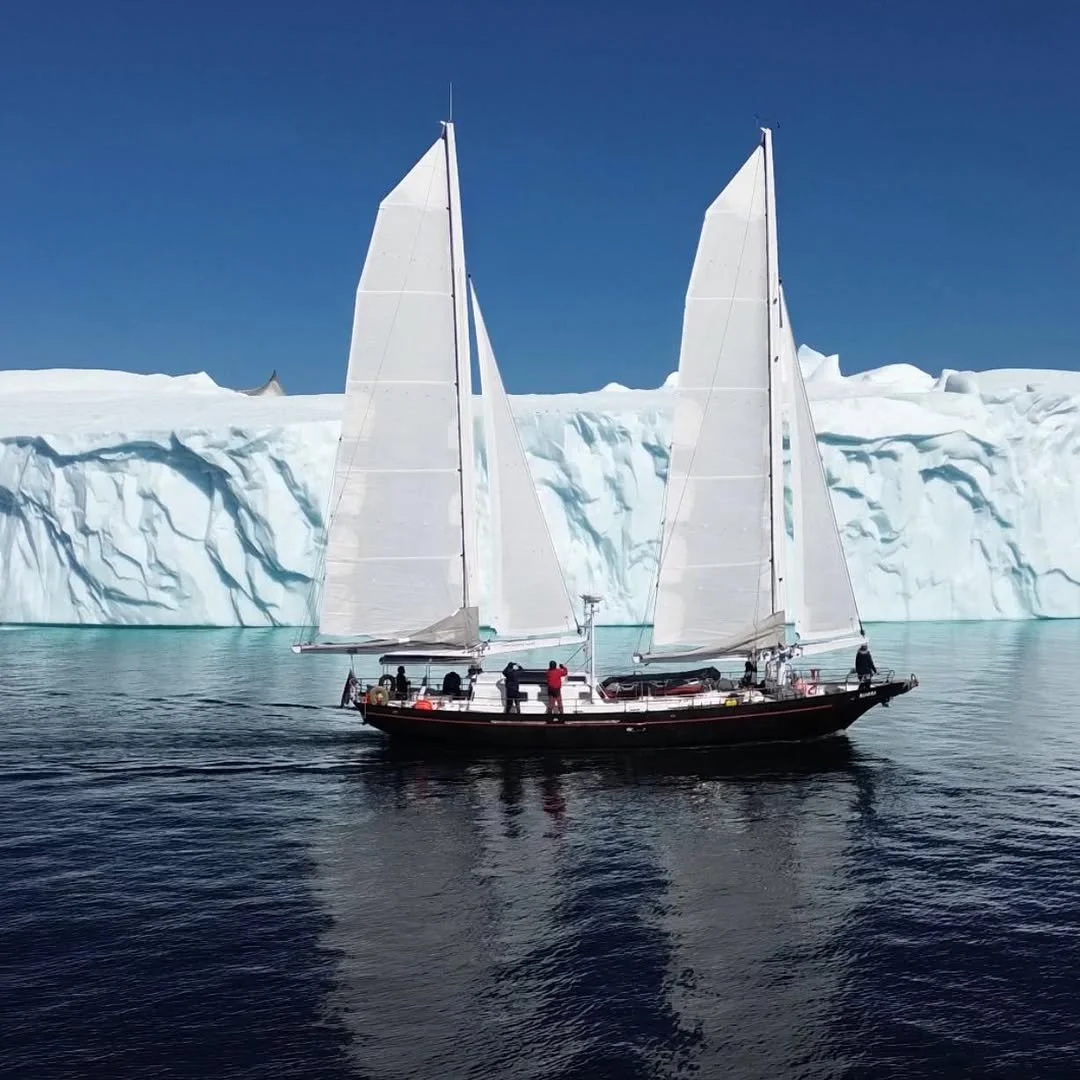
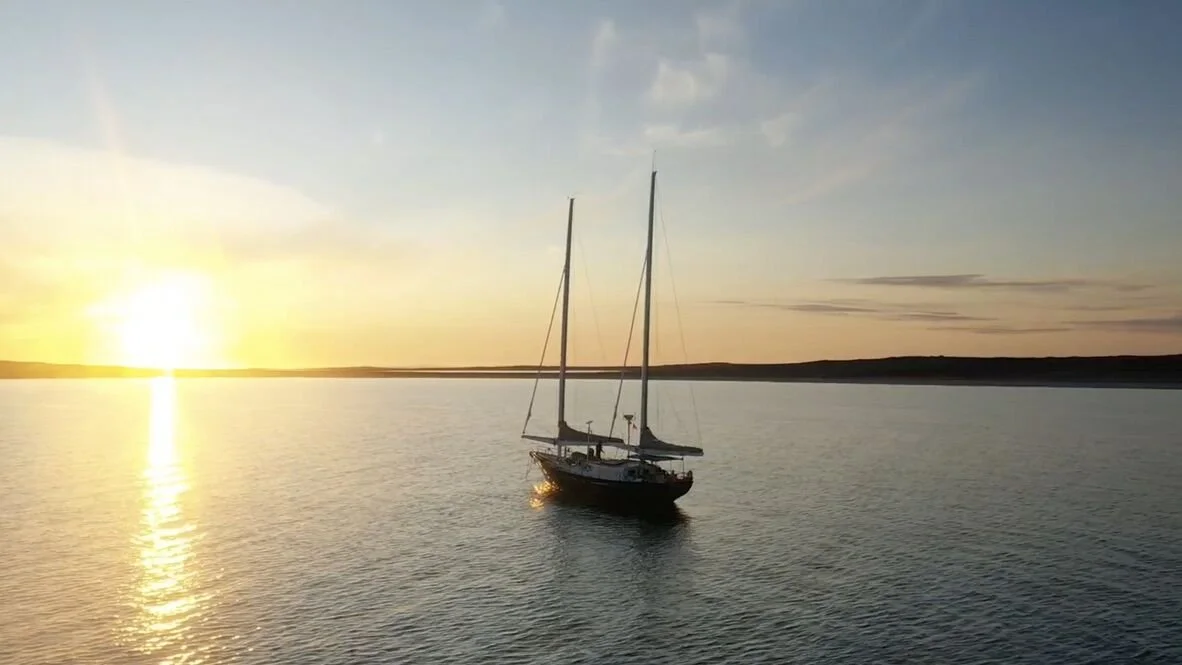
The SY Novara
Nigel, the Novara: The One Planet Project links adventure with purpose, working with coastal communities on climate adaptation. Can you tell us a bit more about it?
The story begins in London, where we were living a very good and comfortable life. Then life threw us a curveball: my wife’s sister died suddenly. It was one of several family losses over a short period, and it made us realise that you never know what’s around the corner. We decided we needed to live our lives fully while we still could.
I had always said I wanted to sail to New Zealand, and when Veronica came home from the funeral, she called my bluff and said “Let’s do it.” She also mentioned this crazy idea of sailing through the Northwest Passage—something neither of us knew much about at the time. We certainly do now.
I wanted our journey to have purpose. My work had long focused on climate change, especially climate adaptation—a field I think has been underserved. That became the seed of the One Planet Project. We sold our house, bought a boat, and began reaching out to communities along our proposed route.
Since then, we’ve worked with around fifteen coastal communities—helping with everything from fundraising for adaptation projects, to facilitating strategy workshops, to hands-on work like planting mangroves. We’ve travelled through Africa, the Caribbean, the east coast of North America, and into the Arctic, gathering stories from people directly experiencing climate change. It’s become a living archive of local voices.
How do you see this expedition contributing to global conversations about resilience and sustainability?
In two ways. First, we’re contributing directly through a podcast series capturing the stories of individuals on the ground—from a fisherman off the coast of Nicaragua to a politician in Morocco to a community worker in Scotland. These are not experts in the traditional sense; they are individuals who live with climate change every day. Their experiences add texture and truth to the global conversation.
But in another sense, I think we’re stepping away from the global conversation. We’ve had decades of international talk while the climate crisis has only worsened. I’ve come to believe that meaningful progress now depends far more on individual and local action than on high-level dialogue. It may sound cynical, but I think the time for endless global discussions is over. We need delivery.
After nearly three decades at the forefront of sustainable energy and climate finance, what inspired you to trade boardrooms for the bridge of a sailboat?
Professionally, frustration. After thirty-plus years—from government to academia to international institutions—I felt the pace of change in boardrooms was painfully slow. I didn’t feel I was making the difference I wanted to make. I wasn’t under any illusion that I could have more global impact from a sailboat, but I did believe my skills could genuinely help local people working on climate adaptation.
Personally, it was about stepping outside my comfort zone. I was very at home in the world of climate finance—I could do it with my eyes shut. I wanted to test myself, to build confidence in completely unfamiliar environments. Managing a boat through the Arctic or across the Atlantic is far more challenging than anything I faced behind a desk. If I had known how hard it would have been, perhaps I’d never have started. But I have come out stronger, more empathetic, and far less technocratic in my thinking.
And there’s a real sense of achievement: I’ve crossed the Atlantic as skipper, and taken my own boat through the fabled Northwest Passage—only about 317 boats have ever done that, roughly half of them sailboats. Novara is now one of them.
The Northwest Passage has a mythical reputation. Can you describe the moment you realised Novara had successfully completed the transit—and what it meant to you?
The official end of the Northwest Passage is at the Arctic Circle—66°33’. We crossed it at about ten to three in the morning on 11 September. I was actually asleep at the time; we were on day seven of a push from Tuktoyaktuk in the Canadian High Arctic to Nome, Alaska, racing against an early winter and encroaching ice. We were running a three-hour watch system, and exhaustion had long since set in.
When I woke for my watch around 9 a.m., everyone was gathered in the saloon, buzzing with excitement. In my bleary state, we exchanged high fives and congratulations. It was a huge relief and a moment of real pride. Something that had felt impossible suddenly wasn’t.
But as skipper, you never truly relax until you’re in safe harbour. We still had 2,000 miles to go, so after my watch I went back to sleep. It wasn’t until two days later, when we arrived in Nome, that the achievement fully sank in.
You’ve written vividly about the Arctic’s isolation and beauty. What moment will stay with you forever?
The Arctic is magical, majestic, terrifying, and profoundly empty. It focuses the mind to know you’re thousands of kilometres from the nearest help.
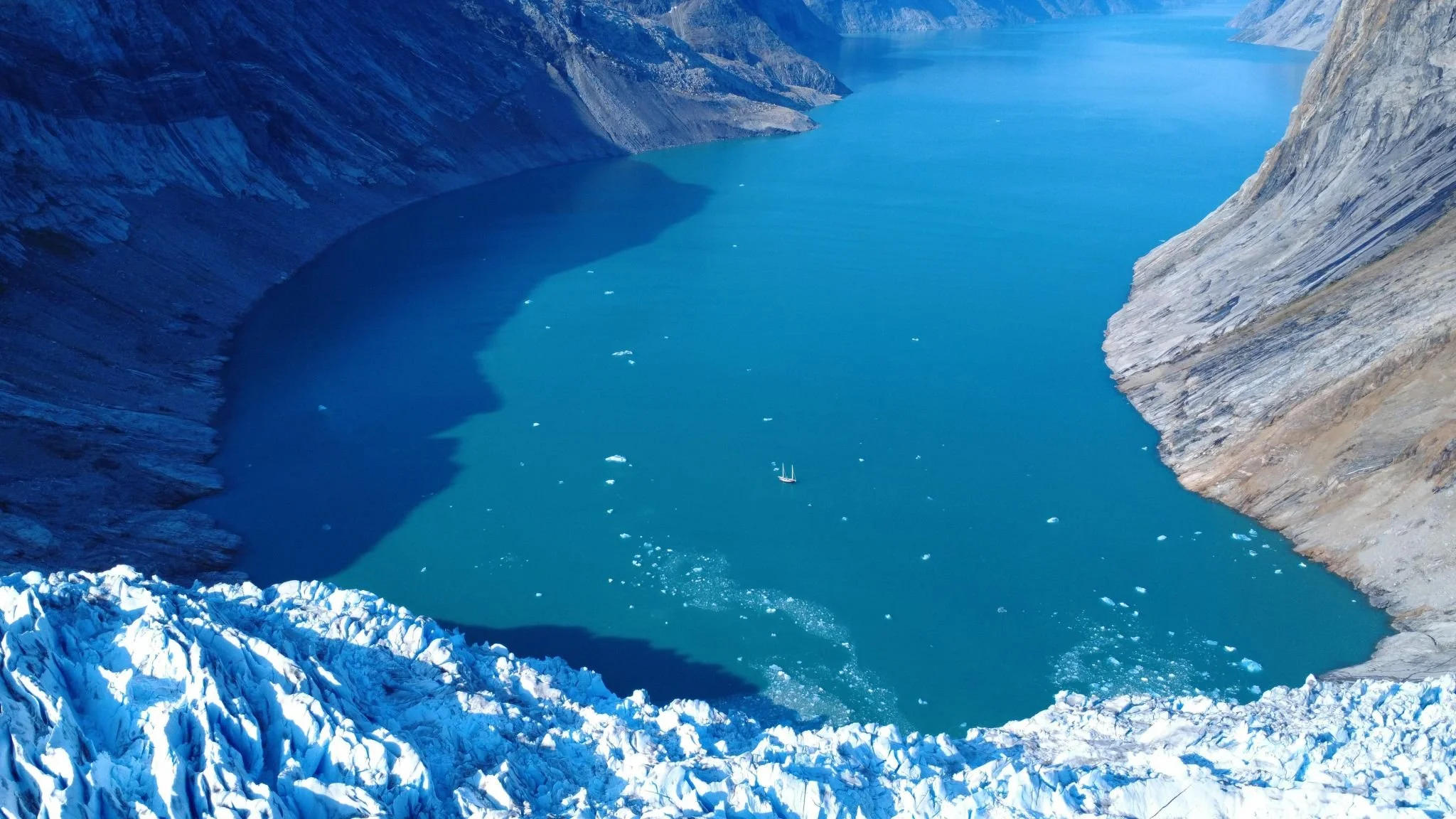
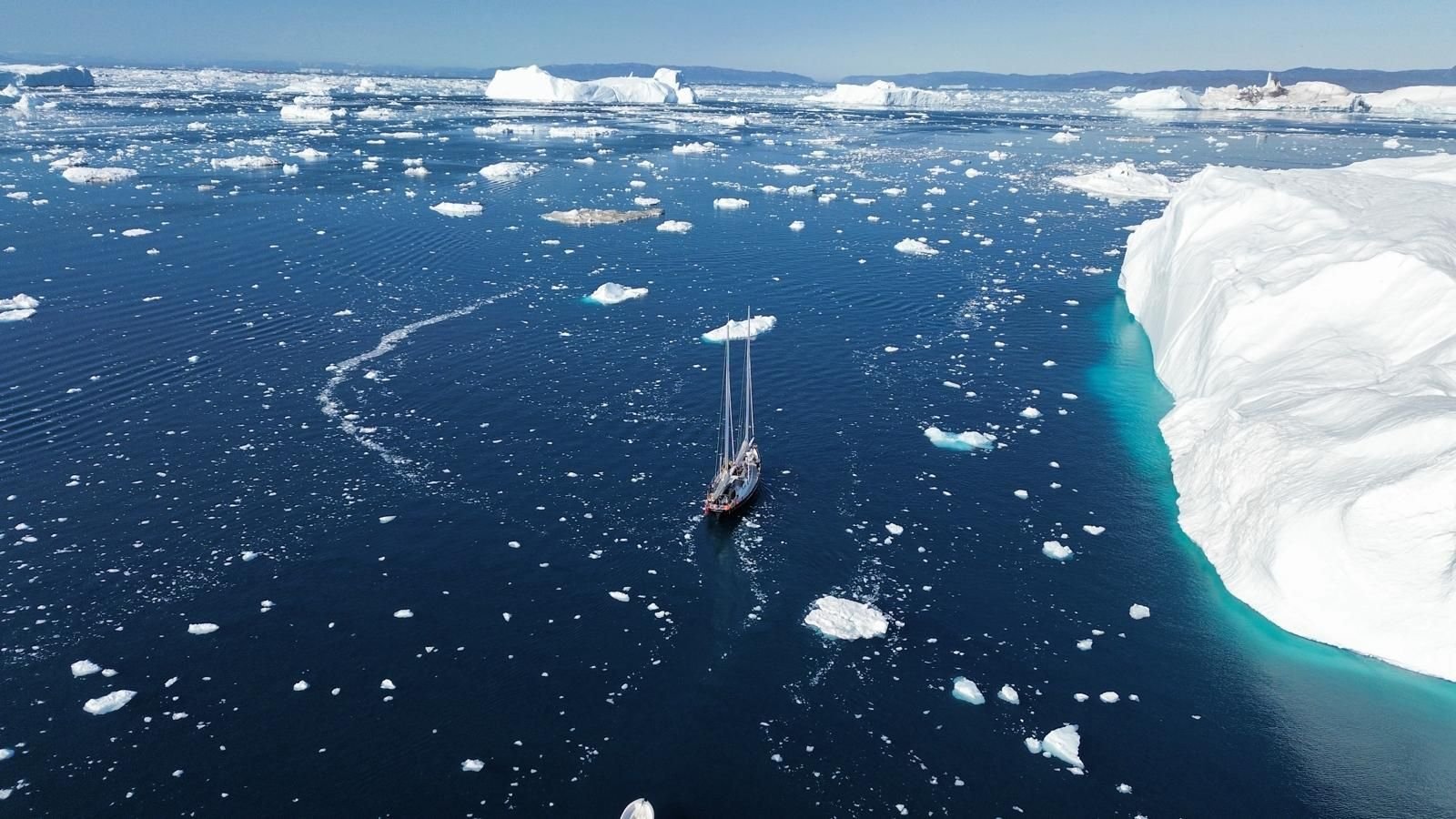
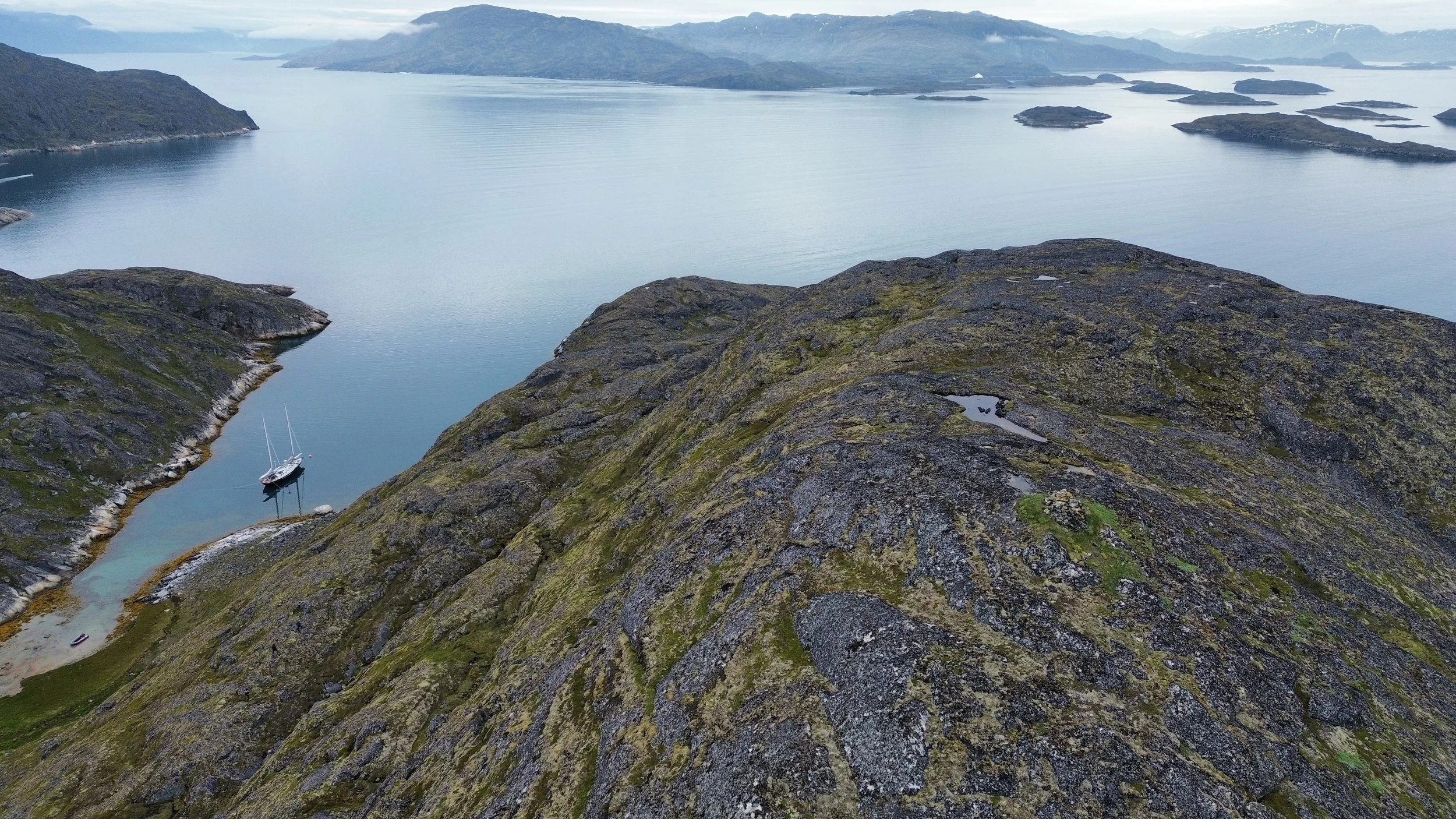
The moment etched deepest in my memory is approaching the Bjoernesund Glacier on the west coast of Greenland. We detoured about 25 miles up a fjord—four or five hours underway—surrounded by towering granite peaks carved by the glacier, some more than a kilometre high. As we approached the glacier itself, it felt like sailing toward the altar of a vast natural cathedral.
The scale was overwhelming. The glacier cracked and thundered like some giant creature stirring; enormous blocks of ice calved into the sea. Our 20-metre boat was a speck against its immense face.
We shut everything down and drifted for two hours in silence. All six of us retreated into our own thoughts. It felt almost like a religious experience—a kind of pilgrimage. It was one of the most awe-inspiring moments of the entire voyage.

Your account of being trapped in pack ice sounds terrifying. How did you stay calm and lead your crew, and what did it teach you about leadership under pressure?
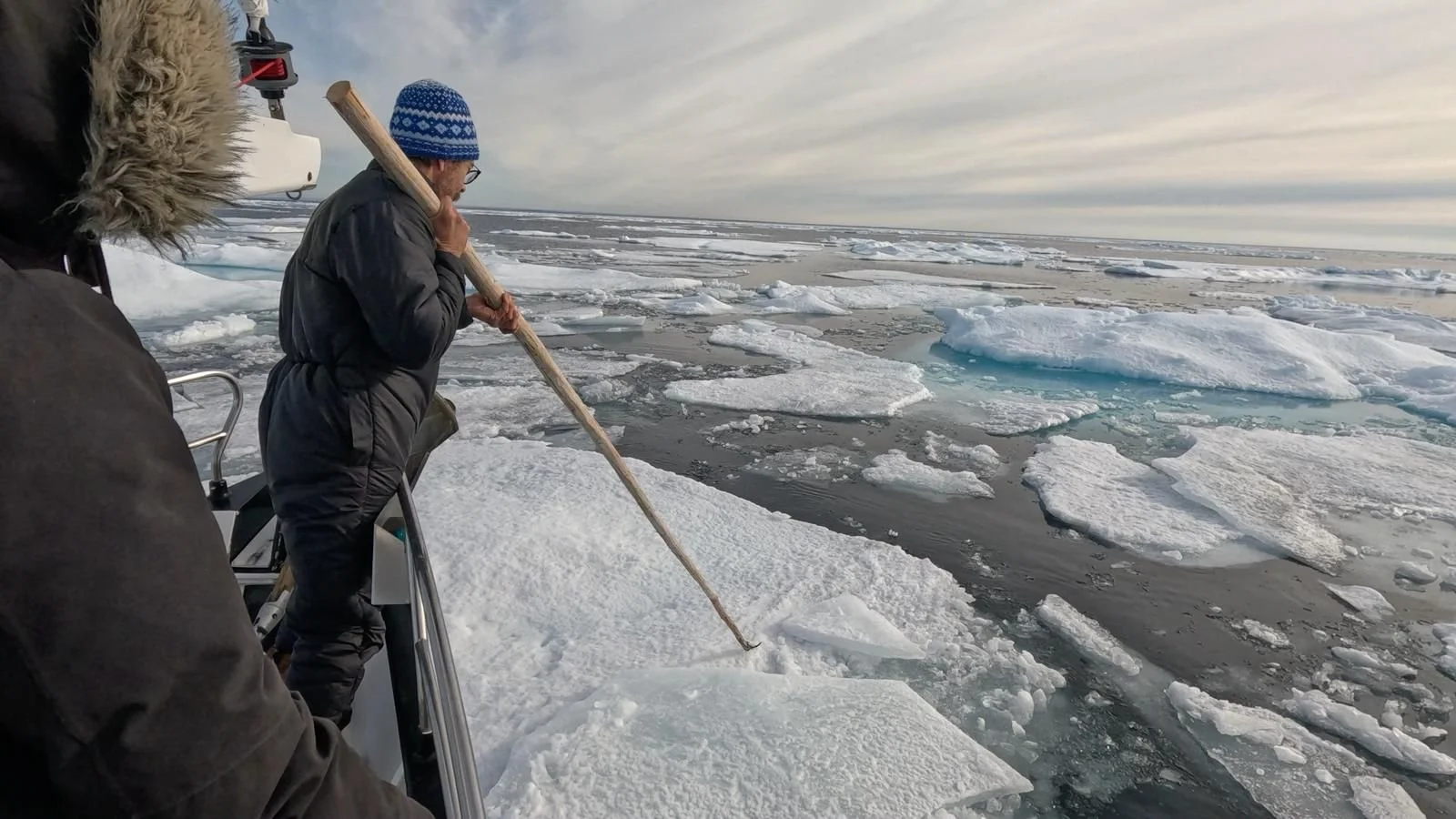
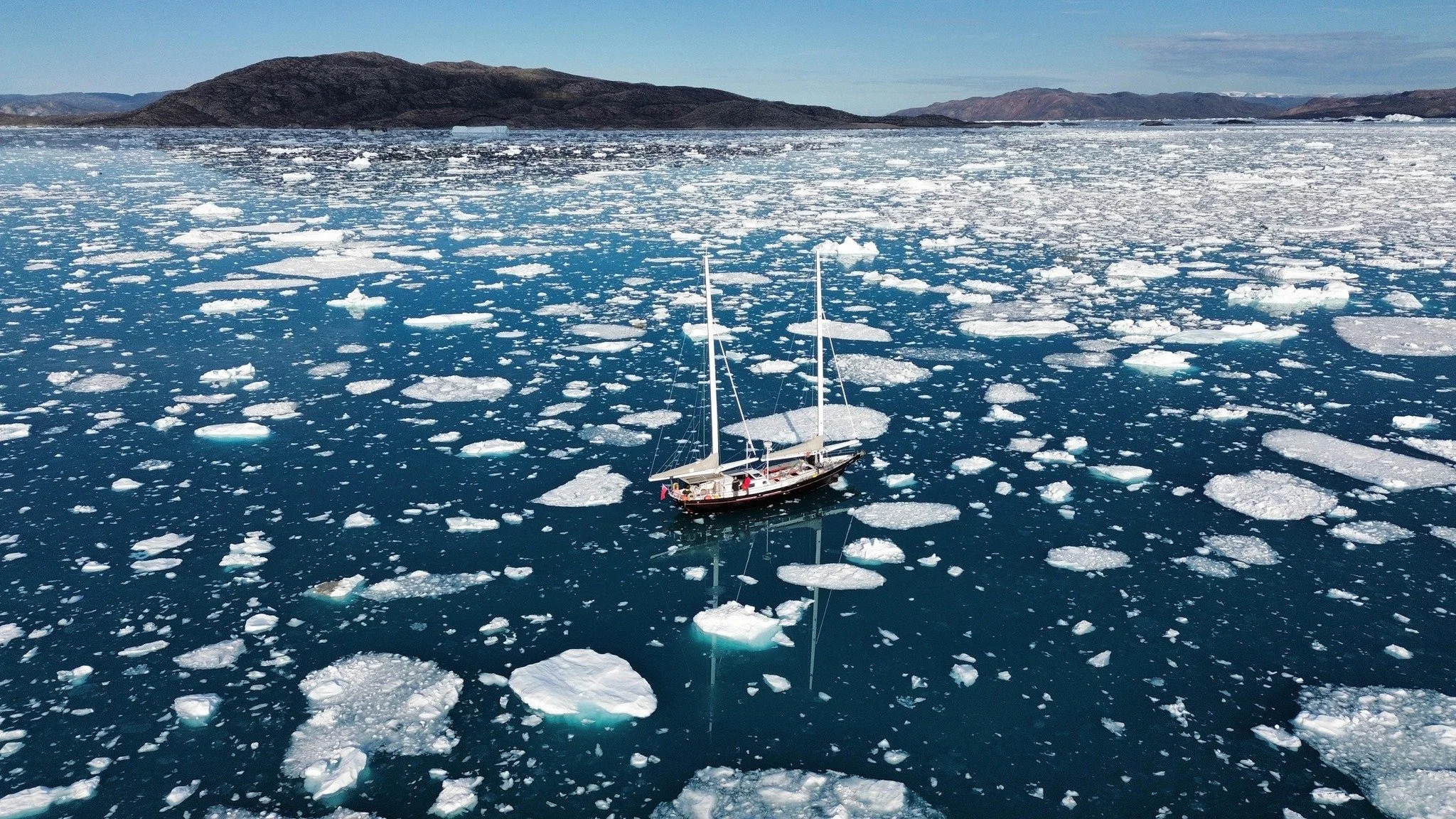
Those hours were among the most frightening of the entire journey. Out of 13,000 kilometres, we struggled seriously with ice for only about 80 kilometres—but that stretch felt endless.
When we became stuck, it was dark. The ice was closing in around us. The pressure on the hull was enormous; the sounds were like metal being crushed. There was a real risk of hull damage—and of putting lives in danger.
To stay calm, I relied on deep breaths, a steady voice, and our training. I reminded myself and the crew: right now, we are safe; right now, we know what to do. We focused on each moment, each ten-centimetre gain through the ice. The crew were highly skilled and incredibly professional. Keeping my voice calm helped everyone feel that the situation was under control.
It taught me that leadership under pressure is about presence, clarity, and trust. We got through it because everyone pulled together.
As someone deeply engaged in climate policy, how did witnessing the Arctic’s rapid transformation affect you personally and professionally?
It was deeply concerning. The most striking thing was the absence of ice. Over roughly 13,000 kilometres—half of it within the Northwest Passage—we encountered significant ice for only about 80 kilometres. At times it felt like sailing in the Scottish Highlands on a nice day. That’s not what the Arctic should be like.
The lack of wildlife was also shocking: very few large mammals, far fewer whales than expected, almost no birdlife. The largest flock we saw was a group of geese—half of them dead on the water.
Then there were the communities. People who have lived for generations with sea ice as the foundation of their lives—dog sleds, ice travel, traditional hunting—now find there is no ice. Boats are expensive to operate; hunting becomes harder; daily life becomes more precarious. For those of us in protected, wealthy cities, climate change can feel abstract. For them, it is a daily, lived reality.
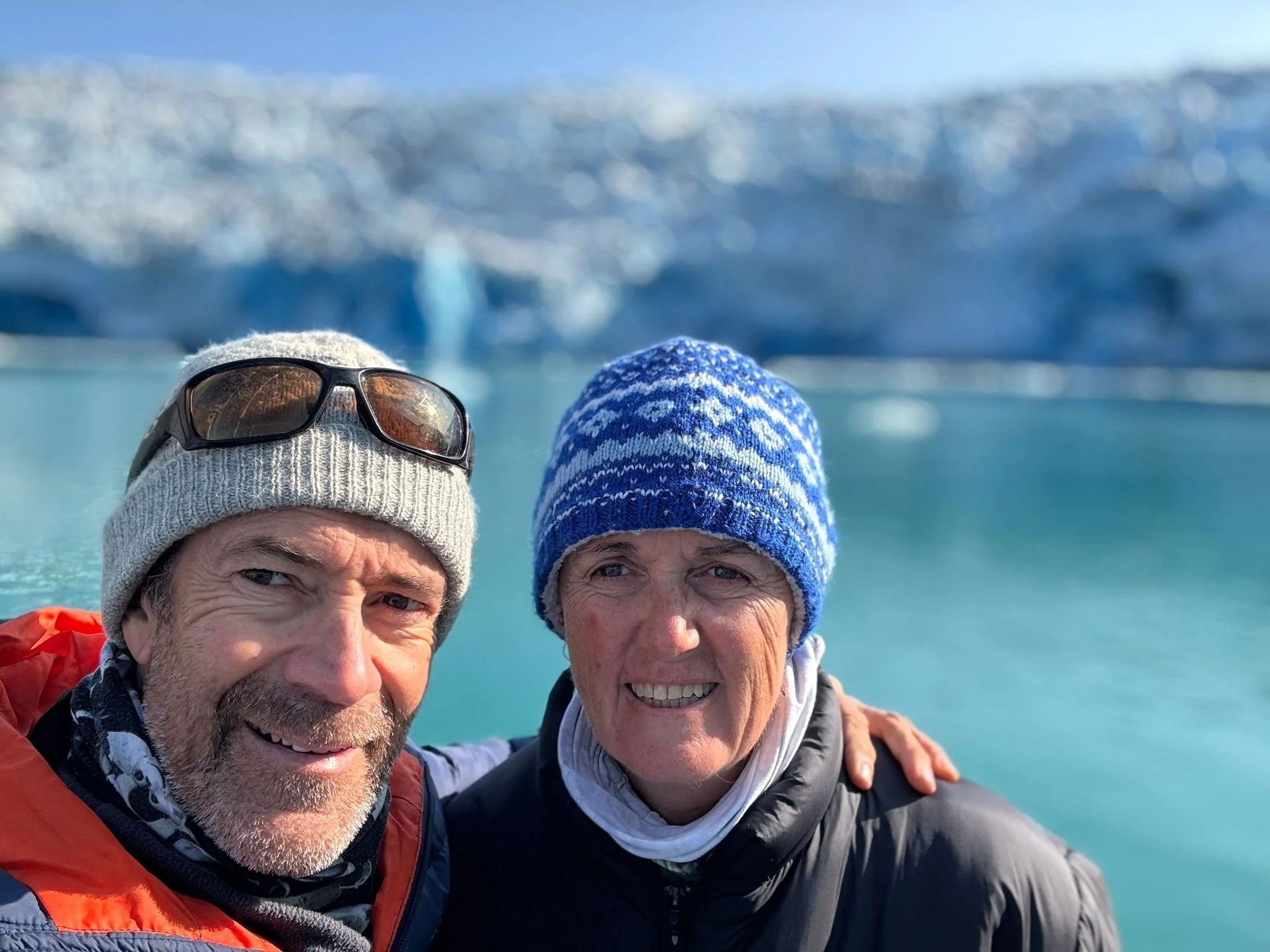
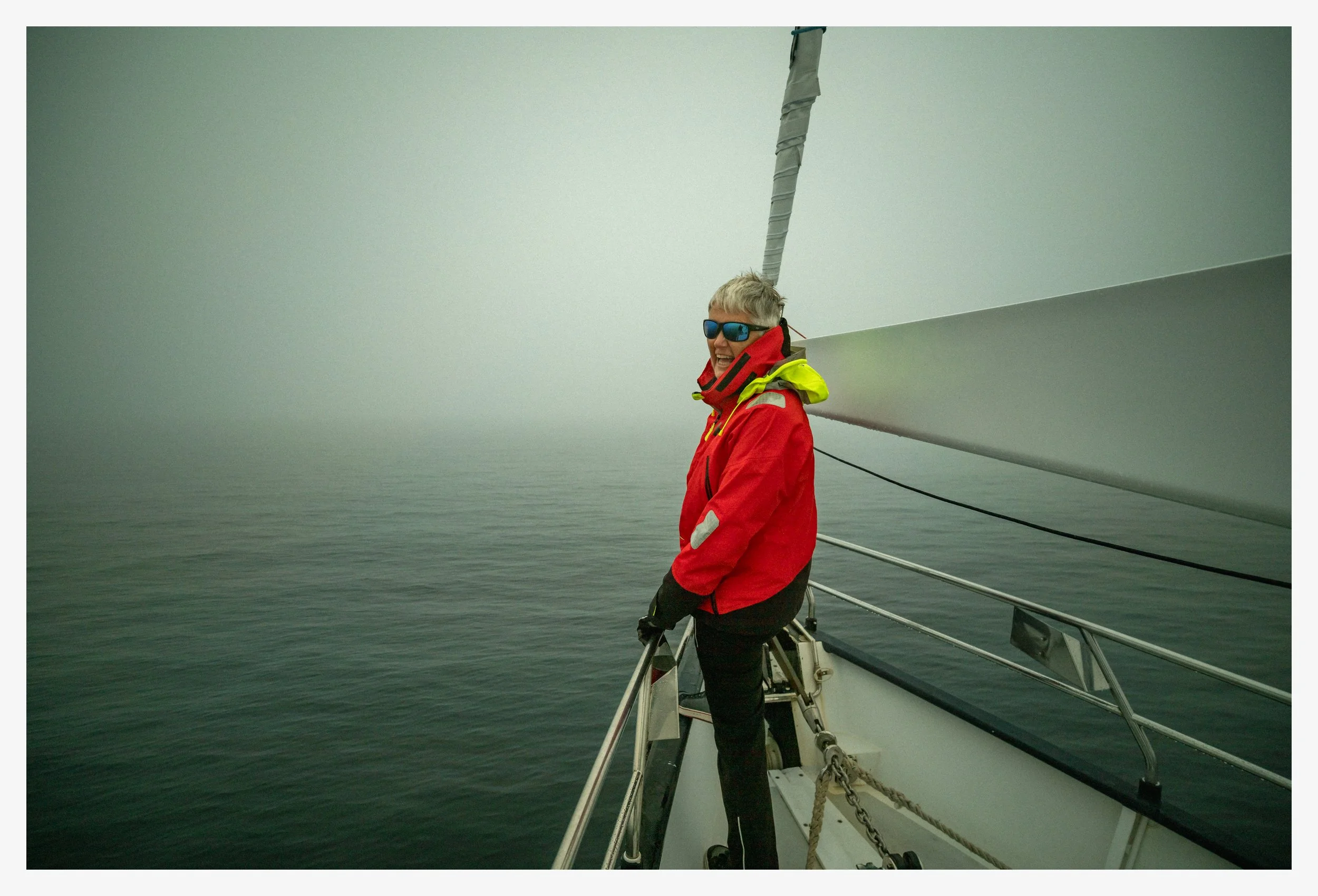
Nigel and Veronica
Veronica Lysaght is the first New Zealand woman to co-skipper a vessel through the Northwest Passage. How has your partnership shaped the success of the journey?
Veronica and I have been married for over 30 years. We’ve weathered a lot together, which helped us face the demands of this expedition. We’ve also logged many miles sailing side by side.
Even so, co-skippering an Arctic passage is a unique challenge. We had to learn how to manage the boat and ourselves, and how to be sensitive to each other under stress. I have a tendency to take control in certain situations—something I’m still working on. Veronica, meanwhile, came into sailing later in life but has become an exceptionally capable sailor. She absolutely deserves her place among New Zealand’s accomplished women sailors.
We brought complementary strengths. In medical scenarios, she would have taken the lead—she’s trained and confident. In sailing emergencies, that role fell to me. Together, we were stronger than either of us would have been alone.
Living in close quarters for months brings unique challenges. How did the crew maintain morale and teamwork?
It wasn’t always easy. We were often exhausted, often cold, and living practically on top of one another.
A few things made a big difference. First, we always ate together. It sounds simple, but when people are on rotating watches, doing chores, or retreating into headphones, you can go hours without talking. Shared meals grounded us.
During dinner we did a daily “PMIT”: plus, minus, interesting, and tweaks. Everyone shared something positive, something frustrating, something interesting, and any small adjustment they’d like others to make. It gave us a safe space to air issues without confrontation.
We also played cards—an ongoing game of “Three Thirteen” that became hilariously competitive. And we managed roles clearly with a rotating system for cooking, cleaning, maintaining the boat, and so on.
Everyone on board was an experienced sailor who understood how to manage themselves in a small space. That helped enormously.
You’ve led major climate initiatives for governments and international institutions. How does skippering a boat through the Arctic compare?
Honestly, managing complex climate programmes is easier. In those roles, you can go home at the end of the day, decompress, and return refreshed.
On a boat in the Arctic—where stepping off the deck might mean confronting a polar bear—you have no escape. You must be completely self-sufficient, confident, and ready to solve problems immediately. There’s no handing a half-finished task to someone else.
It demands a different kind of resilience.
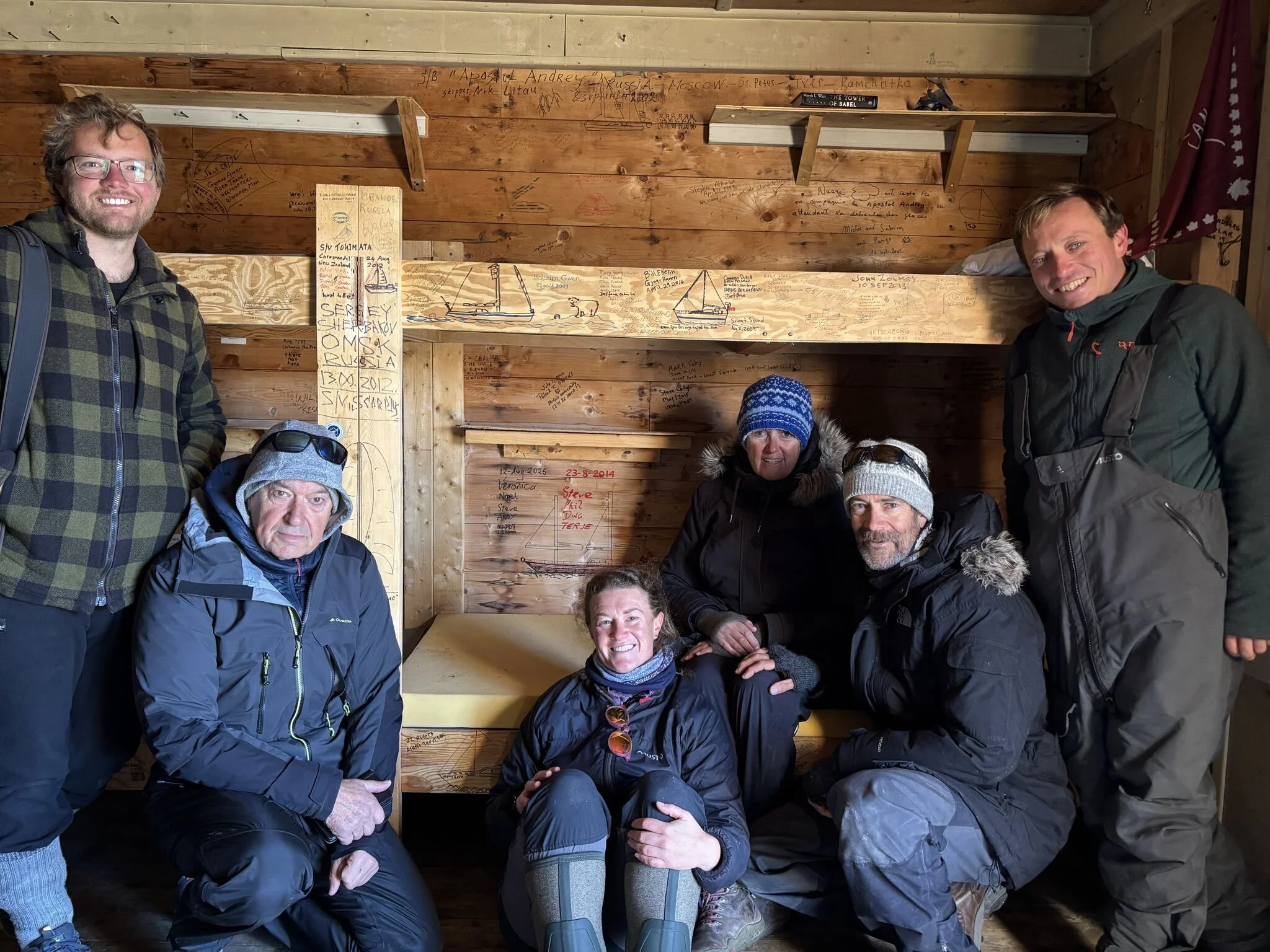
The Novara crew
Now that you’ve completed this leg of the voyage, what’s next for you and Novara?
Long term, the goal is to sail back to New Zealand—and beyond, perhaps. But in the immediate future, we’re taking things slow along the west coast of North America: Alaska and Canada. After years of intense preparation and pressure to be ready for the Northwest Passage, we’re giving ourselves twelve months to breathe, enjoy the wilderness, and spend time with local communities.
And how do you hope your journey will inspire others to connect adventure, humility, and climate action?
I’m not sure I’ve thought about it much, but I do hope our journey inspires others—especially those working behind desks—to step outside their comfort zones. Life goes on without the comfortable salary. And you might discover you’re capable of far more than you imagined.
I also hope it inspires people working in climate institutions to remember the communities on the front lines—those without the resources we have in the wealthy West.
Facing my own fears has been cathartic and a privilege, even when it’s been terrifying. If our journey encourages even a few people to take more direct climate action—to actually get out there and do something—then that would mean a great deal. The planet needs all the help it can get.
You only live once. This was my chance to test my courage. I hope it makes sense—and I hope it helps others find theirs.
In the cover:
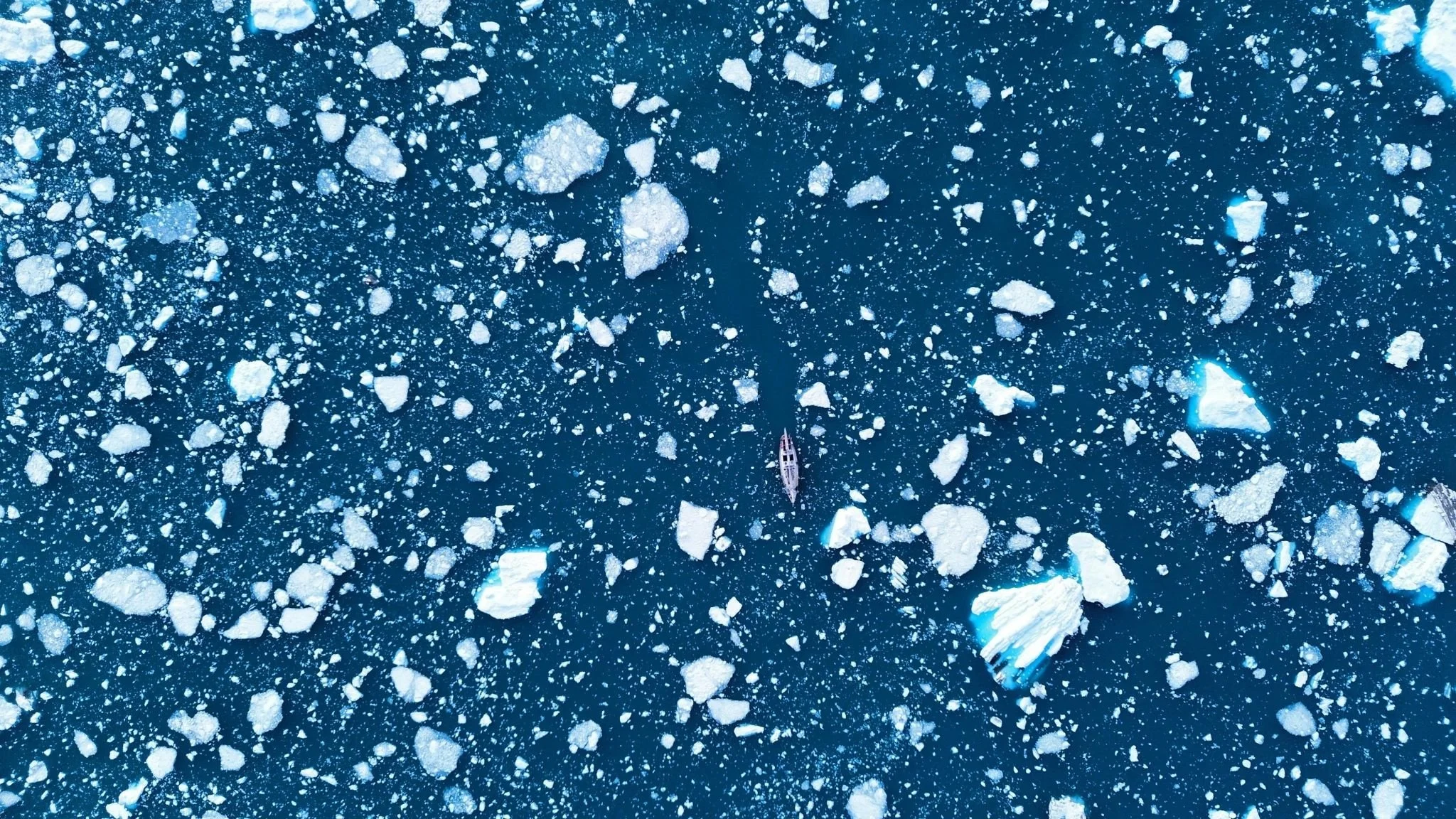
The Novara sailing through Illulisat glacier ice field
Images courtesy of Dr Nigel Jollands