RAVENNA - A Cervantes-Style Journey Through the City
On 21 May 2026 the Ravenna Festival will kick off. Titled Nacque al mondo un sole (A sun was born into the world), the festival presents a multidisciplinary lineup featuring symphonic concerts, opera, contemporary dance, jazz, and experimental theatre. The 37th edition centres its theme around St. Francis of Assisi.
This upcoming event reignited memories of my first trip to Ravenna last year, not only to visit the city, but also to experience a theatre production, part of the same festival.
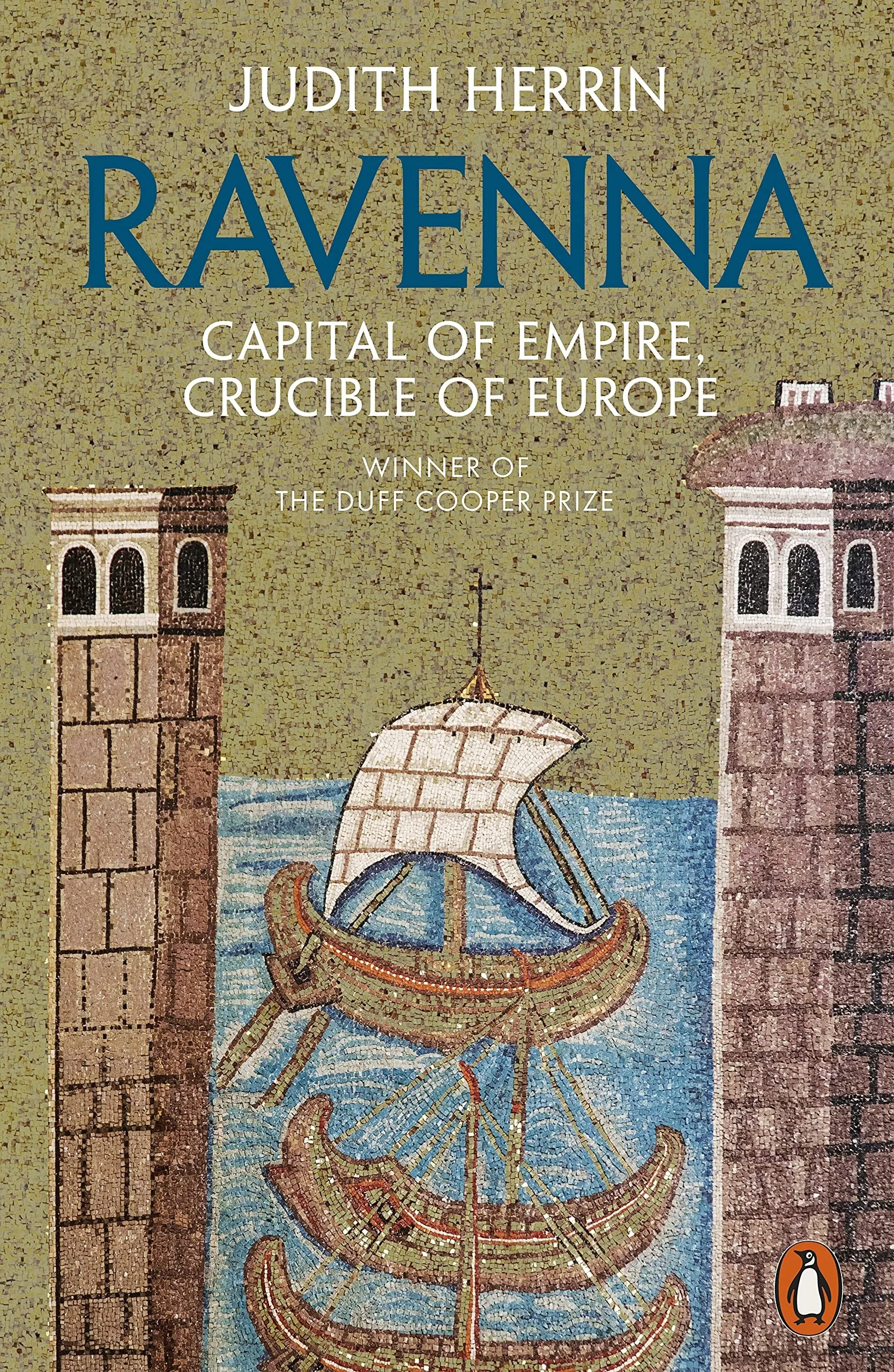
In her book Ravenna, Capital of Empire, Crucible of Europe, Judith Herrin argues that the city’s peak was reached between 402 and 751 in the period known as late antiquity. On the one hand, ‘Ravenna had been gloriously decorated, endowed with high status and invigorated by Byzantine influence’; conversely, however, the city’s almost overnight relegation from a strategic epicentre to a peripheral outpost left its churches under the control of clerics, ensuring that its narrative and figurative mosaics were preserved like nowhere else.
Ravenna has continued to attract devotees – Byron wrote Don Juan there – but it has escaped mass tourism. An article published in The Guardian on 1 June 2025, however, claims the city was experiencing a tourist boom from Brits following a state visit from King Charles and Queen Camilla.
I was completely unaware of this royal precedent when, last summer, my Argentinian travelling companion suggested we spend two nights in Ravenna to escape the punishing heat of Milan and visit the historic mosaics. I am confident I was the sole Englishman at a lengthy outdoor production by Teatro delle Albe of Don Quixote.
A lack of Italian and having endured many tedious theatrical and cinematic adaptations of Cervantes’s masterpiece made me sceptical about committing to watching a production I had been warned lasted upwards of three hours. My reservations were unfounded: Don Chisciotte ad ardere (Don Quixote on Fire), adapted and directed by Marco Martinelli and Ermanna Montanari, ranks alongside a 2016 RSC production as the most accomplished and enjoyable theatrical adaptation I have seen of the first European novel.
Forming part of Ravenna’s summer theatre festival, the Teatro delle Albe were back by popular demand. In 2017, they had set in motion a collaborative citizen-led production itinerant version of Dante’s Divine Comedy with residents performing the work in city streets and iconic buildings. Participants and spectators wanted to repeat the experience. Whilst Dante died in the city (its relatively backwater status and historic past rendered it a strategic refuge following exile from his native Florence), Cervantes was a foreigner. The novel is nonetheless better known in Italy than in many European countries, the UK included, and the peripatetic episodic narrative is ideally suited for site-specific itinerant performances.
The production was a logistical and artistic triumph. We were told to congregate at 8 pm opposite the elegant Malagola Palace, originally built according to the designs of architect Giacomo Anzioni (1681-1723) for a rich bourgeois family. An elderly woman with a marked accent from a small village in the Campiano di Ravenna invited us into the palatial residence. The roughly 200-strong cast included a fixed ensemble of local citizens, complemented by a revolving cast of practitioners and amateurs who had collaborated with the company on other site-specific productions across Europe. Even for a sold-out performance such as the one I attended, spectators barely outnumbered participants, and the line between the two blurred.
On entering the palace, we were instructed to take a seat in the first large room where numerous middle-aged and elderly women sat by sewing machines, speaking of their dreams. We were subsequently guided in small groups through a labyrinthine series of small rooms and corridors, our senses disoriented by low lighting and the aroma of hay. Locals were positioned in a series of arresting visual tableaux: butchers with the smell of raw meat; an old naked couple, who could have come straight out of a Lucian Freud portrait, facing a mirror.
We were led out of this labyrinth into an outdoor patio and guided to seats to experience an intergenerational interracial cast perform iconic scenes from Don Quixote accompanied by a live band. The First Act already displayed more energy, talent and ingenuity than is often shown over the duration of higher budget professional productions.
The remaining two Acts were staged in two different locales: the remains of the Theodric Palace (with its impressive mosaics) and, more traditionally, the Luigi Rasi Theatre (itself a former church). The third and final Act centred on Camacho’s wedding, an iconic episode from the novel. An arresting image of a Pegasus provided a spectacular climax to a production which, however deeply rooted in Ravenna, might be staged elsewhere.
Whilst the reason for my being in Italy was to review a Bruce Springsteen concert in Milan, Don Chisciotte ad ardere and Ravenna proved to be an unexpected delight. The Boss might not be touring Europe this summer, and I will be covering his concerts in Washington and Philadelphia. Still, the 2026 Ravenna Festival (21 May – 11 July) is an ideal pretext to visit the city and its mosaics whilst enjoying the local hospitality.
One can eat very well on the East Coast of the United States, but I will struggle to find a place to dine as historic or hospitable as Ravenna’s Ca’ de Vèn with its first-rate, reasonably priced local products and well-curated wine list. I may be unable to visit this summer, but I am keeping a keen eye on Teatro delle Albe’s projects, intending to return to Ravenna in the not-too-distant future.
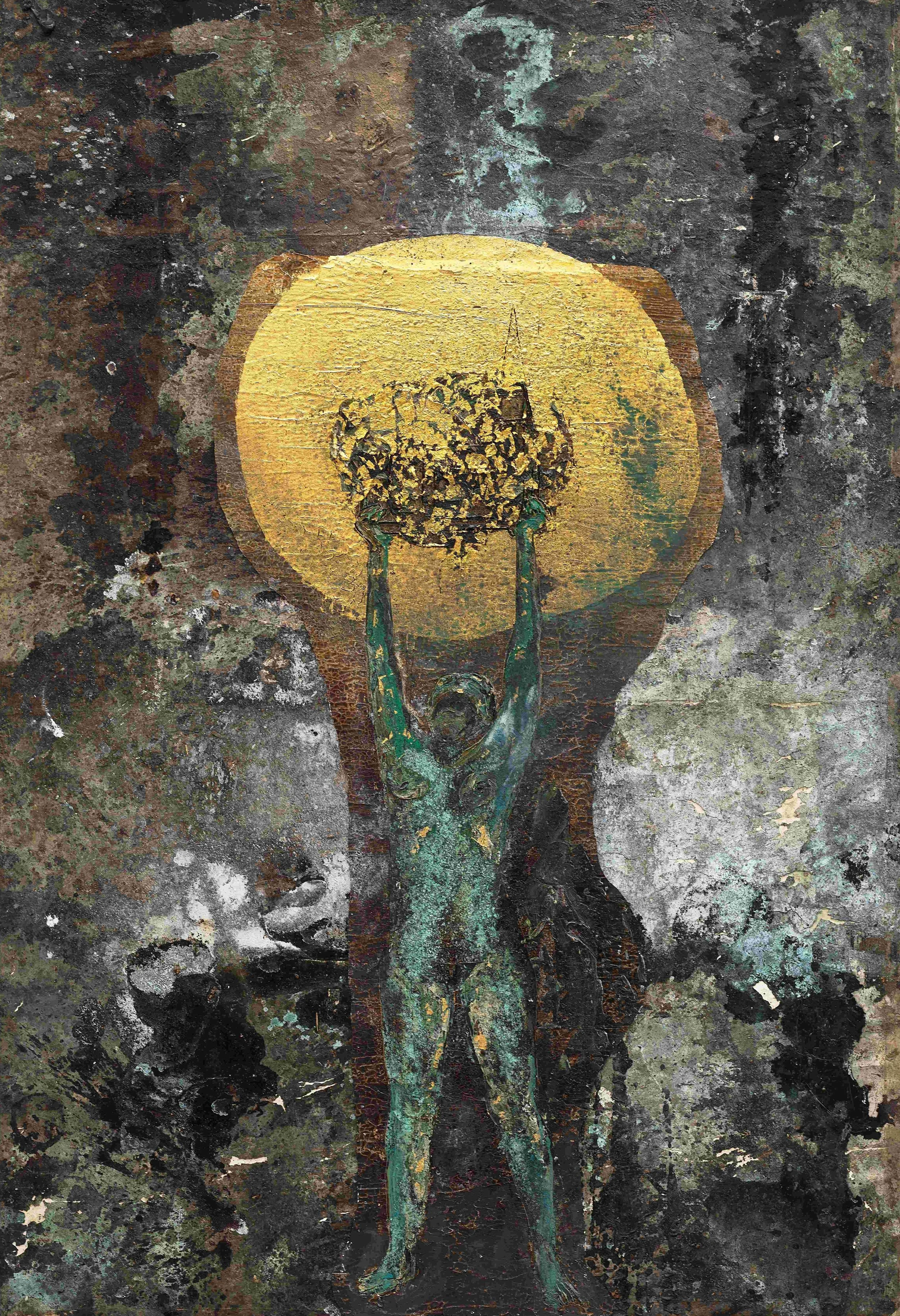
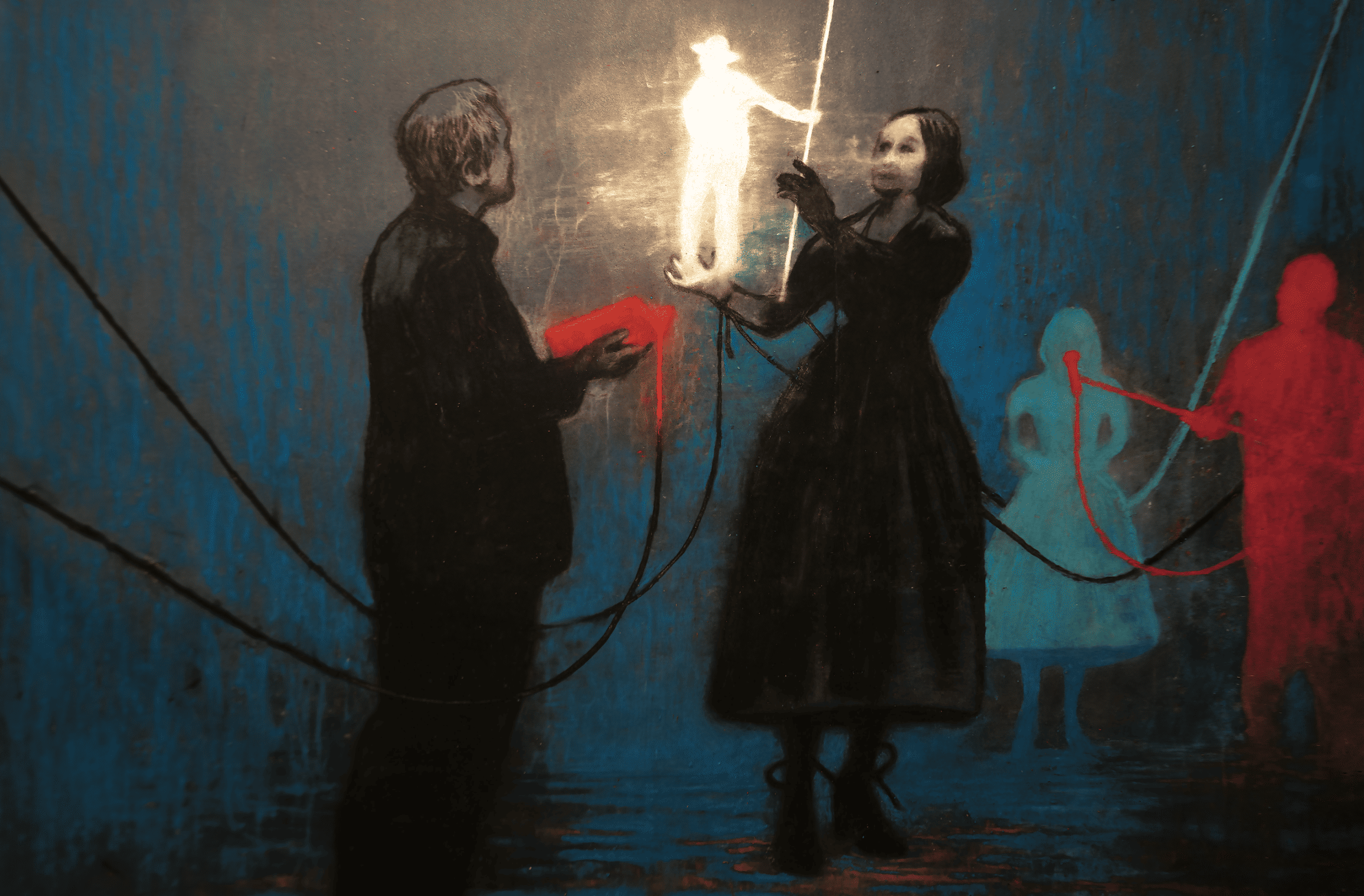
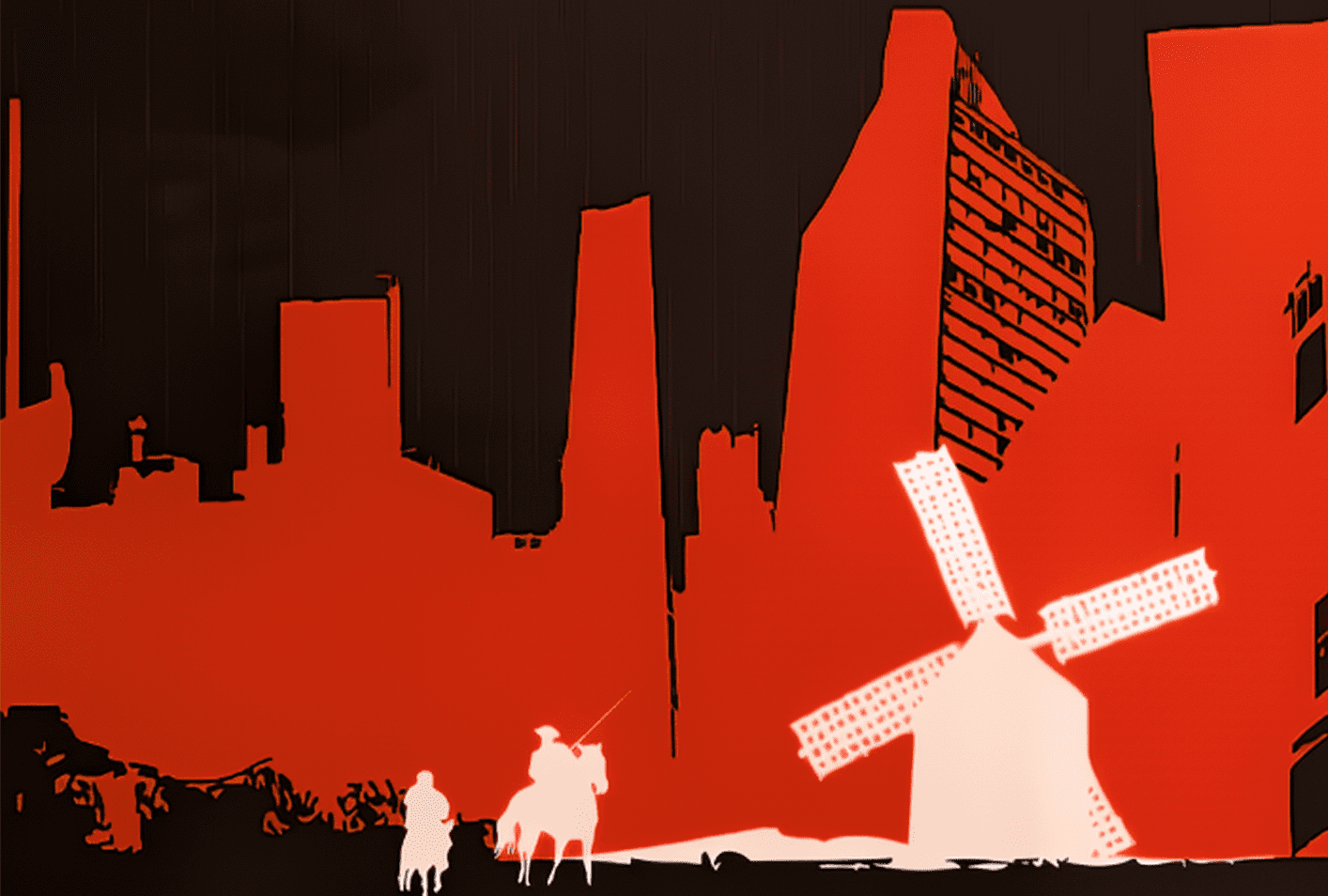
In the cover: poster from Don Chisciotte ad ardere
Images courtesy of the Ravenna Festival